

Blackjack is one of the most popular card games in casinos around the world. It combines simple rules with strategic decision-making, making it accessible for beginners while still engaging for experienced players. Unlike many other casino games that rely purely on chance, blackjack allows players to influence outcomes through smart choices during each round.
Learning blackjack rules step by step helps beginners feel confident at the table and avoid common mistakes. Once the structure of the game becomes clear, players can focus on improving their decisions and understanding how each action affects the result of a hand.
What Blackjack Is and How the Game Works
Blackjack is a card game played between players and a dealer. The goal is to have a hand value closer to 21 than the dealer’s hand without exceeding 21.
Each round follows a simple sequence:
- Players place bets
- Cards are dealt
- Players choose actions
- Dealer completes their hand
- Winners are determined
Unlike poker, players do not compete against each other. Every participant plays only against the dealer.
This structure makes blackjack easy to learn and suitable for both casual and strategic gameplay.
Card Values in Blackjack
Understanding card values is the first step toward learning blackjack rules.
Card values follow these guidelines:
- Number cards from 2 to 10 keep their face value
- Face cards count as 10 points
- Aces count as either 1 or 11 depending on what benefits the hand most
For example:
- A hand with an ace and a 7 can equal either 8 or 18
- A king and a 9 equal 19
- A 5 and a 6 equal 11
Because aces have flexible value, they play an important role in strategy decisions.
Step One: Placing Your Bet
Each round begins with players placing chips in the betting area before any cards are dealt.
Important betting basics include:
- Bets must be placed before cards appear
- Minimum and maximum limits depend on the table
- Players cannot change bets after cards are dealt unless rules allow special actions
Once betting ends, the dealer begins distributing cards.
Step Two: Dealing the Cards
After bets are placed, the dealer gives two cards to each player and two cards to themselves.
The dealing process works like this:
- Each player receives two face-up cards
- The dealer receives one face-up card
- The dealer receives one face-down card
The dealer’s visible card is called the upcard. The hidden card is called the hole card.
Players use the dealer’s upcard to guide their decisions.
Step Three: Checking for Blackjack
Immediately after the initial deal, both players and the dealer check for blackjack.
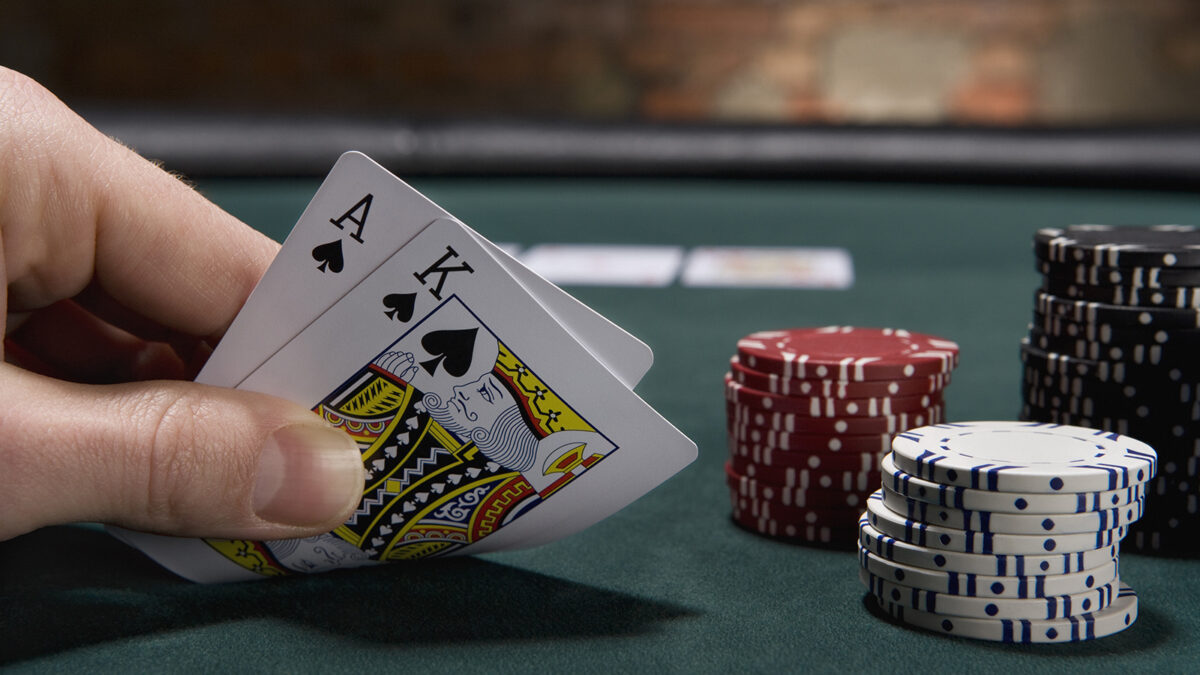
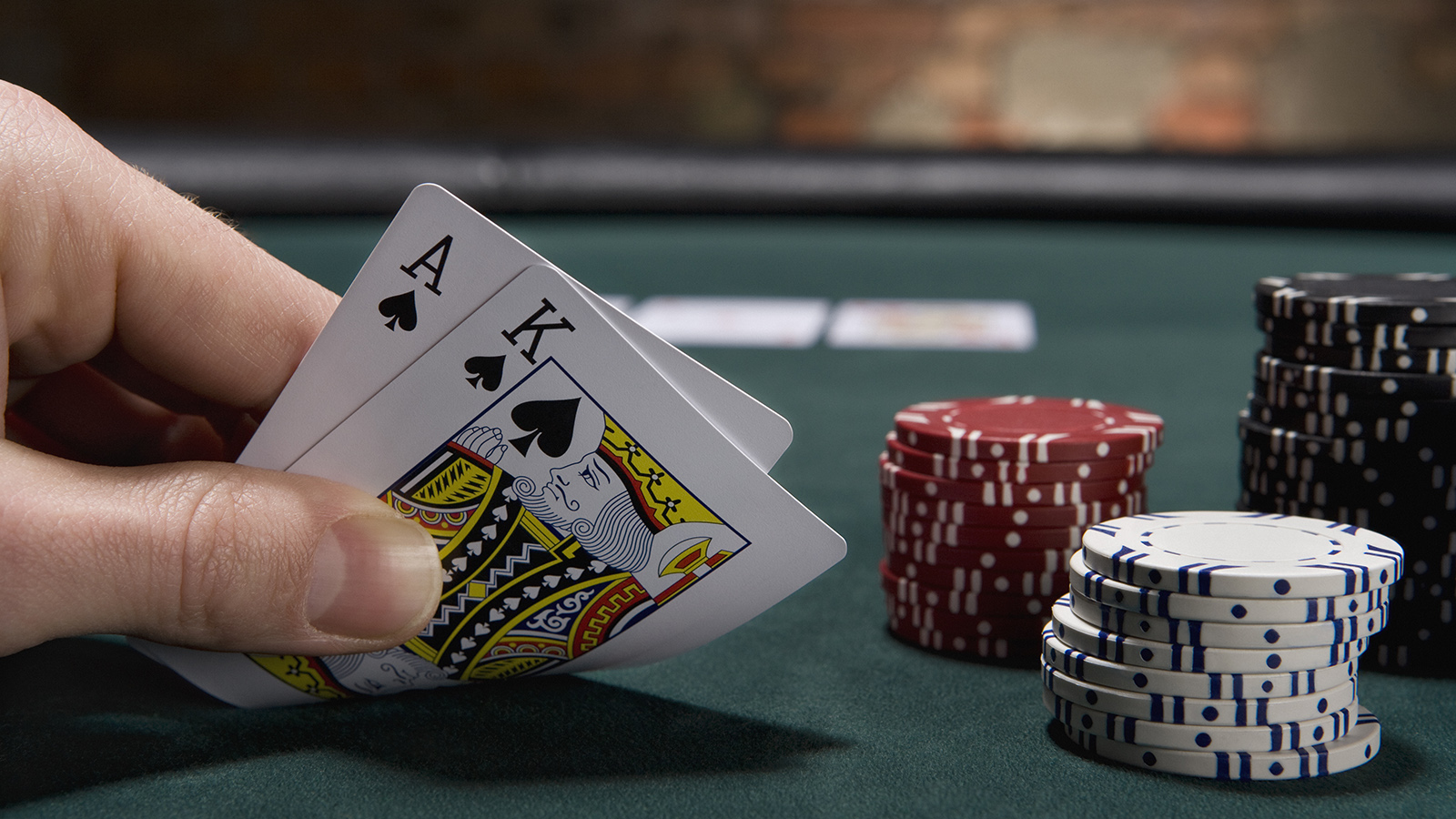
A blackjack occurs when a player receives:
- One ace
- One card worth 10 points
This combination totals 21 using only two cards.
If a player has blackjack and the dealer does not, the player wins automatically in most cases.
If both player and dealer have blackjack, the round usually ends in a tie.
Step Four: Choosing Player Actions
If neither side has blackjack, players begin making decisions about their hands.
Each player acts one at a time and may choose from several options depending on the situation.
These decisions determine how the round develops.
The Hit Option Explained
Choosing to hit means requesting another card from the dealer.
Players usually hit when:
- Their hand value is low
- They want to move closer to 21
- They believe the dealer may have a stronger hand
However, each additional card increases the risk of exceeding 21.
If a player’s total exceeds 21, the hand ends immediately with a loss.
The Stand Option Explained
Standing means keeping the current hand and ending your turn.
Players typically stand when:
- Their hand is strong enough
- Taking another card would be too risky
- The dealer’s visible card suggests caution
Standing allows the dealer to continue the round.
The Double Down Option Explained
Doubling down allows players to increase their original bet after receiving their first two cards.
When doubling down:
- The bet doubles
- Only one additional card is dealt
- The hand automatically stands afterward
Players often double down when holding totals like 10 or 11 because these hands have strong improvement potential.
Doubling down is one of the most powerful moves available in blackjack when used correctly.
The Split Option Explained
Splitting applies when the first two cards have the same value.
For example:
- Two 8s
- Two kings
- Two 4s
When splitting:
- The cards become two separate hands
- Each hand receives a new card
- A second bet equal to the original is required
Splitting allows players to turn one weak hand into two stronger opportunities.
However, strategy determines when splitting is beneficial.
The Surrender Option Explained
Some blackjack tables allow surrender as an additional option.
Surrendering means:
- Ending the hand immediately
- Losing only half the original bet
- Avoiding a likely full loss
Players sometimes surrender when facing strong dealer cards and holding weak totals.
Not all casinos offer this option, but it can reduce long-term losses when available.
Step Five: Dealer’s Turn
After all players finish their actions, the dealer reveals the hidden card.
The dealer must follow fixed rules rather than personal strategy.
Typical dealer rules include:
- Dealer must hit until reaching at least 17
- Dealer must stand on 17 or higher in most games
- Dealer cannot choose actions freely
Because dealer behavior is predictable, players can make decisions based on these rules.
Step Six: Determining the Winner
Once the dealer finishes their hand, results are compared.
Possible outcomes include:
Player wins if
- Player total is closer to 21 than dealer total
- Dealer exceeds 21
- Player has blackjack and dealer does not
Dealer wins if
- Dealer total is closer to 21
- Player exceeds 21
Tie occurs if
- Player and dealer have equal totals
A tie usually returns the original bet without profit or loss.
Understanding Soft Hands and Hard Hands
Blackjack hands fall into two categories based on whether an ace is flexible.
Soft hand
A soft hand contains an ace counted as 11.
Examples include:
- Ace and 6
- Ace and 5
- Ace and 3 and 2
Soft hands reduce bust risk because the ace can change value.
Hard hand
A hard hand either has no ace or uses the ace as 1.
Examples include:
- 10 and 7
- 9 and 8
- Ace and 6 counted as 7
Recognizing the difference helps players make stronger decisions during play.
Why Table Rules Matter in Blackjack
Blackjack rules vary slightly depending on the casino or platform.
Important rule differences may include:
- Number of decks used
- Whether dealer hits or stands on soft 17
- Availability of surrender
- Doubling down restrictions
- Splitting limitations
Understanding these variations helps players choose tables that match their preferences.
Even small rule differences can influence long-term outcomes.
Basic Strategy Helps Improve Decision Making
Basic strategy refers to mathematically tested recommendations for blackjack decisions based on hand totals and dealer upcards.
Basic strategy helps players:
- Reduce mistakes
- Improve consistency
- Make informed decisions quickly
- Lower the house advantage
Although beginners do not need to memorize strategy charts immediately, learning common situations can improve results significantly.
Practicing decision patterns gradually builds confidence at the table.
Common Beginner Mistakes to Avoid
New players often repeat the same errors when learning blackjack.
Avoiding these mistakes improves gameplay experience.
Frequent beginner mistakes include:
- Taking insurance bets without understanding risk
- Ignoring dealer upcards
- Refusing to split pairs when appropriate
- Standing too early on weak totals
- Doubling down without favorable conditions
Recognizing these habits early helps players develop stronger fundamentals.
How Blackjack Differs From Other Casino Table Games
Blackjack stands apart from many casino games because player decisions influence outcomes more directly.
Key differences include:
- Strategy affects results more than in most games
- Players compete against the dealer only
- Card values are easy to understand
- Multiple action choices exist during each round
These features make blackjack both approachable and strategically rewarding.
Practicing Blackjack Before Playing With Real Stakes
Beginners benefit from practicing blackjack before playing with actual wagers.
Practice helps players:
- Understand card values quickly
- Learn action timing
- Recognize strong and weak hands
- Build confidence with table flow
Many players start with simulated games to develop comfort before entering live environments.
Practice strengthens understanding without financial pressure.
FAQ Section
What is the best starting hand in blackjack
The best starting hand is a natural blackjack consisting of an ace and a 10-value card because it gives the strongest possible opening result.
Can players talk to each other during a blackjack round
Yes, conversation between players is usually allowed at live tables as long as it does not interfere with gameplay or dealer instructions.
Why does the dealer receive one hidden card
The hidden card ensures suspense and fairness by preventing players from knowing the dealer’s full hand until their turns are complete.
Are blackjack rules the same in every casino
No, blackjack rules vary depending on location, number of decks used, and house-specific procedures.
What happens if multiple players beat the dealer in one round
Each player who has a stronger hand than the dealer wins their individual bet independently of other players.
Can players leave the table after any round
Yes, players are generally free to leave the table between rounds after completing the current hand.
Is blackjack considered a game of skill or luck
Blackjack combines both elements because card distribution involves chance while player decisions influence outcomes through strategy.
