


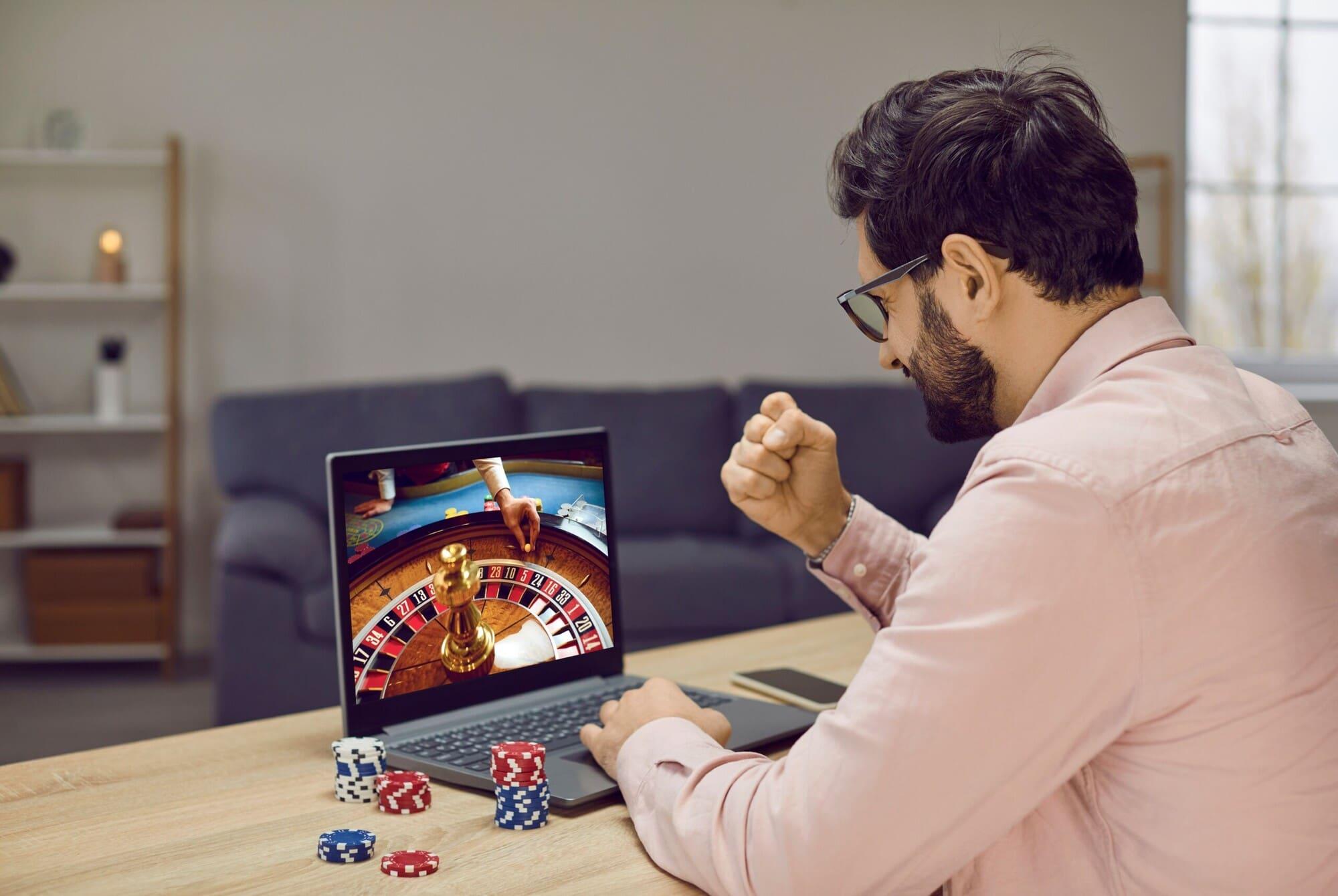
Responsible gambling means enjoying casino games in a controlled and balanced way while protecting your finances, time, and emotional well-being. For beginners especially, learning how to approach gambling with the right mindset can make the difference between entertainment and unnecessary risk.
This guide explains how responsible gambling works, why it matters, and how new players can develop safe habits from the beginning.
What Responsible Gambling Really Means
Responsible gambling is the practice of treating gambling as a form of entertainment rather than a way to earn money. It involves setting limits, staying aware of risks, and knowing when to stop.
People who gamble responsibly typically:
- Set clear budgets before playing
- Understand that outcomes are unpredictable
- Avoid chasing losses
- Balance gambling with other activities
- Recognize emotional triggers
- Take regular breaks
These habits help maintain control and ensure gambling remains enjoyable rather than stressful.
Why Responsible Gambling Is Important for Beginners
New players often feel excitement when trying casino games for the first time. Without clear boundaries, that excitement can sometimes lead to impulsive decisions.
Responsible gambling helps beginners:
- Avoid overspending
- Build healthy habits early
- Reduce stress related to losses
- Maintain realistic expectations
- Stay in control of gameplay time
Starting with responsible practices makes gambling safer and more enjoyable over the long term.
Understanding How Casino Games Work
Casino games are designed around randomness. Even games that involve strategy still depend heavily on chance.
Important facts beginners should remember include:
- No system guarantees consistent winnings
- Every round is independent of previous results
- Short-term outcomes vary widely
- Losses are a normal part of gameplay
Understanding these realities helps players avoid unrealistic expectations.
Setting a Gambling Budget That Works
Creating a personal gambling budget is one of the most effective ways to stay in control. A budget should reflect what you can comfortably afford to lose without affecting essential expenses.
A practical budget strategy includes:
- Choosing a fixed amount for each session
- Separating gambling funds from daily expenses
- Never borrowing money to gamble
- Avoiding credit use during gameplay
Many experienced players treat their gambling budget the same way they would treat entertainment spending such as movies or dining out.
Managing Your Time While Gambling
Time control is just as important as money control. Long sessions can increase the risk of impulsive decisions and fatigue-related mistakes.
Helpful time-management habits include:
- Setting session time limits
- Taking scheduled breaks
- Avoiding late-night extended play
- Balancing gambling with other activities
Shorter sessions often improve focus and enjoyment.
Recognizing Emotional Triggers
Emotions can influence decision-making during gambling. Beginners sometimes play longer than planned when reacting to stress or excitement.
Common emotional triggers include:
- Frustration after losses
- Overconfidence after wins
- Boredom
- Loneliness
- Stress from unrelated situations
Learning to recognize these triggers helps players make more thoughtful choices.
Avoiding the Habit of Chasing Losses
One of the most common mistakes beginners make is trying to recover losses quickly. This behavior often leads to larger losses instead of recovery.
Responsible players understand that losses are part of the experience and avoid increasing bets in response to frustration.
Safer alternatives include:
- Ending the session after reaching a loss limit
- Taking a break before continuing play
- Returning another day with a fresh mindset
Maintaining discipline protects both finances and confidence.
Setting Win Limits as Well as Loss Limits
Many players think only loss limits matter. However, win limits are equally important.
Winning sessions can sometimes create excitement that encourages players to continue playing longer than planned. Setting a win limit helps preserve positive results.
Examples of win-limit strategies include:
- Ending play after doubling a session budget
- Saving a portion of winnings immediately
- Stopping once a personal goal is reached
This approach helps maintain consistency and balance.
Understanding the Role of Randomness in Gambling
Casino games rely on randomness to produce fair outcomes. This randomness means that no player can predict results with certainty.
Important reminders about randomness include:
- Winning streaks eventually end
- Losing streaks also end
- Patterns do not guarantee future results
- Each round is independent
Recognizing this prevents unrealistic expectations from developing.
Using Built-In Responsible Gambling Tools
Many modern casino platforms provide tools designed to support safe play. These features help players monitor activity and maintain control.
Common tools include:
- Deposit limits
- Session reminders
- Cooling-off periods
- Self-exclusion options
- Activity tracking dashboards
Using these tools early creates stronger habits over time.
Avoiding Gambling as a Source of Income
One of the most important principles of responsible gambling is understanding that casino games are not reliable income sources.
Even experienced players cannot control outcomes consistently. Treating gambling as entertainment helps prevent financial pressure and unrealistic expectations.
A healthy perspective includes:
- Viewing gambling as leisure activity
- Accepting losses as part of participation
- Avoiding reliance on winnings for expenses
This mindset supports long-term enjoyment.
Balancing Gambling with Other Activities
Responsible players maintain balance between gambling and other parts of life. Entertainment should never replace social interaction, work responsibilities, or personal hobbies.
Balanced routines often include:
- Spending time with friends and family
- Participing in physical activities
- Maintaining work commitments
- Pursuing creative interests
Maintaining variety helps prevent overdependence on gambling as a primary activity.
Recognizing Early Warning Signs of Problem Gambling
Awareness is essential for staying in control. Beginners should understand the warning signs that indicate gambling may be becoming unhealthy.
Common warning signals include:
- Spending more than planned
- Feeling anxious about losses
- Hiding gambling activity from others
- Borrowing money to continue playing
- Losing track of time during sessions
Recognizing these signs early allows players to adjust behavior before problems grow larger.
Talking Openly About Gambling Habits
Open communication supports responsible gambling. Sharing experiences with trusted friends or family members helps maintain accountability and perspective.
Benefits of open discussion include:
- Receiving honest feedback
- Staying aware of spending patterns
- Reducing secrecy-related stress
- Encouraging balanced habits
Transparency often strengthens self-control.
Creating a Personal Responsible Gambling Plan
A simple personal plan can help beginners stay consistent and confident.
An effective plan may include:
- Setting a weekly entertainment budget
- Choosing specific play times
- Tracking session length
- Recording wins and losses
- Reviewing habits regularly
Small planning steps create strong long-term habits.
Knowing When to Take a Break
Taking breaks is a powerful strategy for maintaining control. Even short pauses can reset focus and reduce impulsive decisions.
Situations that suggest a break may help include:
- Feeling frustrated after losses
- Playing longer than planned
- Experiencing fatigue
- Losing concentration
Returning later with a fresh mindset often improves decision-making.
Supporting Friends Who Gamble Responsibly
Responsible gambling is easier when supported by others. Encouraging balanced habits within social groups creates healthier environments for everyone involved.
Supportive behavior includes:
- Respecting spending limits
- Avoiding pressure to continue playing
- Promoting breaks
- Sharing responsible strategies
Positive group attitudes strengthen individual discipline.
Conclusion
Responsible gambling begins with awareness, planning, and realistic expectations. For beginners, learning how to set limits, recognize emotional triggers, and maintain balance can turn gambling into a safe and enjoyable activity rather than a stressful experience.
By treating casino games as entertainment, using available safety tools, and staying mindful of personal habits, players can protect both their finances and their well-being. Developing responsible gambling habits early creates a foundation for long-term enjoyment and control.
FAQ Section
How can beginners decide how much money is safe to gamble
A safe gambling amount is money set aside for entertainment that does not affect essential expenses like rent, food, or savings goals.
Is it helpful to track gambling sessions in a notebook or app
Yes, tracking sessions helps players stay aware of spending patterns and recognize changes in behavior over time.
Should beginners avoid gambling during stressful life events
Yes, gambling during stressful periods can increase impulsive decisions and reduce focus on limits.
Can responsible gambling habits improve enjoyment of casino games
Yes, clear limits reduce pressure and allow players to focus more on entertainment rather than outcomes.
Is playing with friends safer than playing alone
Playing with friends can sometimes support accountability, but personal limits remain the most important factor.
How often should players review their gambling habits
Reviewing habits weekly or monthly helps maintain awareness and adjust limits when necessary.
Are responsible gambling tools available on both online and physical casino platforms
Many online platforms provide digital tools, while physical casinos often offer support programs and voluntary exclusion options through guest services.
